Chapter 01
Before you go
About this route
“This route didn’t come out of a list someone put together online — it came out of a real trip that I travelled from start to finish myself.
In 10 days I managed to fit several different Chinas into one journey: the futuristic and high-tech, the ancient and imperial, the wild and the fairytale.”
@wetravelalways
If you are flying to China for the first time and want to see as much as possible without endless transfers and complicated logistics, this route makes an excellent foundation for the trip.
Trip overview
What’s ahead
- The largest Universal Studios in Asia
- The Forbidden City and the Great Wall of China
- Beijing’s old hutong quarters
- The skyscrapers of Shanghai
- One of the most unusual hotels in China — with giraffes
- The fairytale Wangxian Valley — like a film set
Navigation
How to use this guide
The guide runs as a route, day by day. A few elements repeat on every page — here is what each one means.
Mono pills are the quick facts — time, price, opening hours. You can find what a thing costs without reading the sentence around it.
One stamp closes each section, carrying the coordinates of the place itself.
Chapter 02
Getting ready for the trip
Section 01
In China, most of the services you are used to simply don’t work: no Google Maps, no Western map apps, no English-language taxi or delivery apps. So setting up your phone is as much a part of preparing for the trip as the flights and the hotel.
Install these apps in advance, at home, on a calm Wi-Fi connection — the section below explains what each of them is for.
Trip prep
Alipay
The traveller’s number-one app
Alipay is the main tool for everyday life in China. You use it to pay in shops and cafés, order taxis, buy tickets and pay your fare on public transport.
You can link your bank cards in advance, while you are still at home — which means that from the moment you land in Beijing or Shanghai you can pay by phone almost everywhere, just like a local.
Trip prep
Didi
China’s answer to Uber
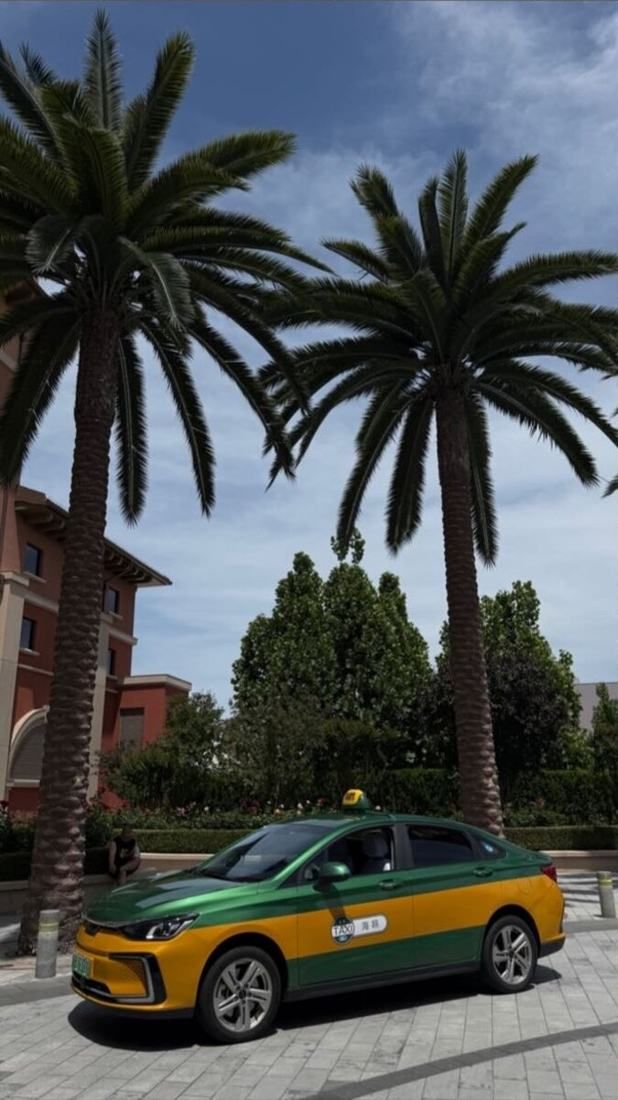
Didi works almost exactly like the ride-hailing apps you already know: you set the points of your route, see the price in advance, and payment goes through your linked card automatically.
The real difference is the price. Taxis in China are noticeably cheaper than in Europe: an average ride across Beijing costs about $3–6, and that makes Didi one of the apps you open most often on the trip.
Trip prep
Trip.com
Your right hand for logistics
Trip.com is the app you will reach for most on this trip after Alipay. It is the easy way to buy train tickets, book entry tickets for museums and parks, and reserve hotels.
Every hotel and many of the tickets in this guide are linked straight to Trip.com — so you can book in English and pay with the card you already use.

Trip prep
Amap
The maps worth trusting
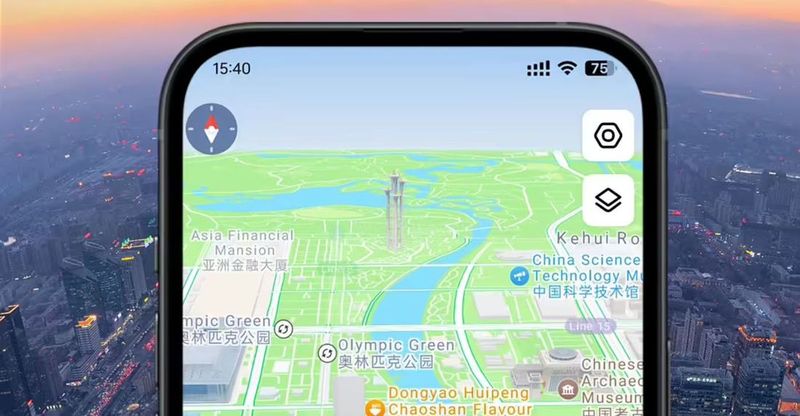
Amap has the most accurate maps of China: route planning, navigation, public transport and walking directions all work exactly the way they should.
Google Maps is unreliable in China and often shows out-of-date information — restaurants that closed long ago, or roads that no longer exist. For everyday navigation you are better off getting used to Amap from the start.
Trip prep
Practically a national app
In China WeChat is not just a messenger but an entire ecosystem: inside it live “mini programs” (mini apps) for all sorts of services — from booking a table to buying entry tickets.
Many of the places and activities on this route are booked through mini programs inside WeChat — the Louis Vuitton flagship store The Louis in Shanghai, for instance. Install WeChat in advance so you are not doing it at the last minute once you are there.

Trip prep
Translation apps
You’ll barely manage without them
Hardly anyone in China speaks English — even in the big cities. On this trip a voice translator on the phone turned out to be needed literally every day: in cafés, in taxis, in hotels, at the till.
Install several voice translation apps, and be sure to download the offline Chinese language pack — in case the connection turns out to be patchy.
Trip prep
Your phone is ready for China if…
When every box is ticked, you can move on to the route itself. The first stop of the big journey is Beijing.
Chapter 03
Beijing
Section 02
A capital with more than 800 years of history, where imperial palaces stand shoulder to shoulder with skyscrapers, and quiet hutongs with high technology.
The city is enormous, and the map doesn’t always make that obvious — so in Beijing it is better to split where you sleep into two parts: next to Universal Studios, and in the city centre.

Overview
The city where eras meet
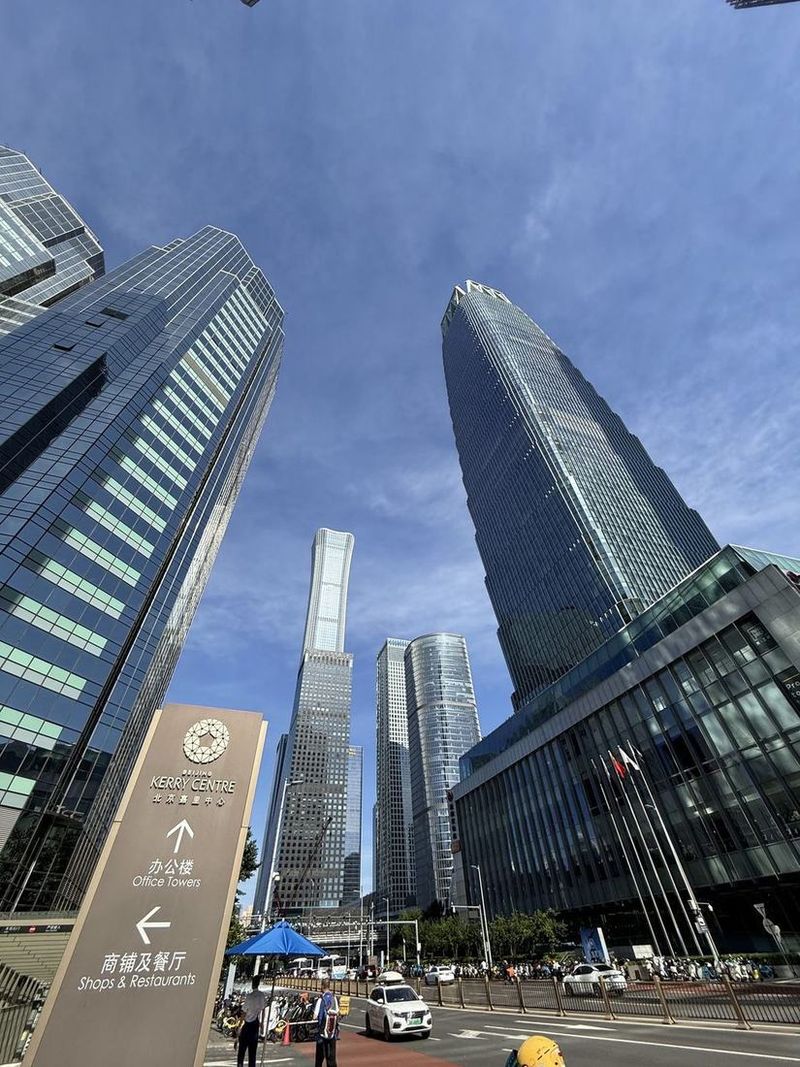
Beijing is the capital of China, with more than 800 years of history behind it. In a single space you get imperial palaces, modern skyscrapers, quiet old hutongs and high-tech districts of the future.
Even though the city looks compact on the map, Beijing is in fact enormous. To avoid losing time on the road, the route is built so that your accommodation is split in two: the first night next to Universal Studios, the next three in the city centre.
Where to stay
Night 1 — next to Universal Studios
For the first night it pays to pick a hotel with early entry to the park — it buys you time to reach the popular rides before the main flow of visitors arrives.
Recommended
Universal Studios Grand Hotel
The best option if you are heading into Universal Studios Beijing the next day — the hotel has its own early access right by the park entrance.

Alternative
NUO Resort Hotel Beijing
Another hotel beside the park with its own early entry — a solid backup if the first one isn’t available for your dates.

Where to stay · 2 of 2
Nights 2–4 — central Beijing
After Universal Studios you move into the city centre for the remaining three nights. From here it is easy to reach every key point: the Forbidden City, Tiananmen Square and Shichahai.
3 nights
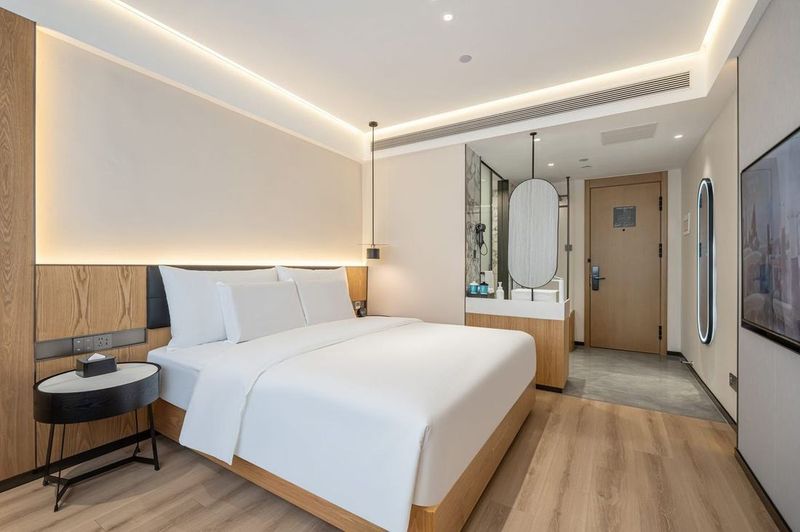
City Joy Hotel
The best value for money of all the options we looked at: clean, modern rooms, a handy location and walking distance from the main tourist spots of central Beijing.

Arrival
Arrival in Beijing
After a long flight there is no point planning a busy programme for the first day — even if it feels as though you have energy to spare. That time is better spent checking in without hurrying and letting your body move over to the new time zone.
- 01Checking in
We drive to the Universal Studios Grand Hotel, check in and rest after the flight.
- 02Adjusting
Give yourself time for the change of time zone — without it the second day, the busiest of them all, will be much harder work.
- 03If you still have energy
You can take a walk through the modern districts of Beijing — futuristic business quarters full of skyscrapers, a world away from the usual picture of “ancient China”.
Universal Studios
Universal Studios Beijing
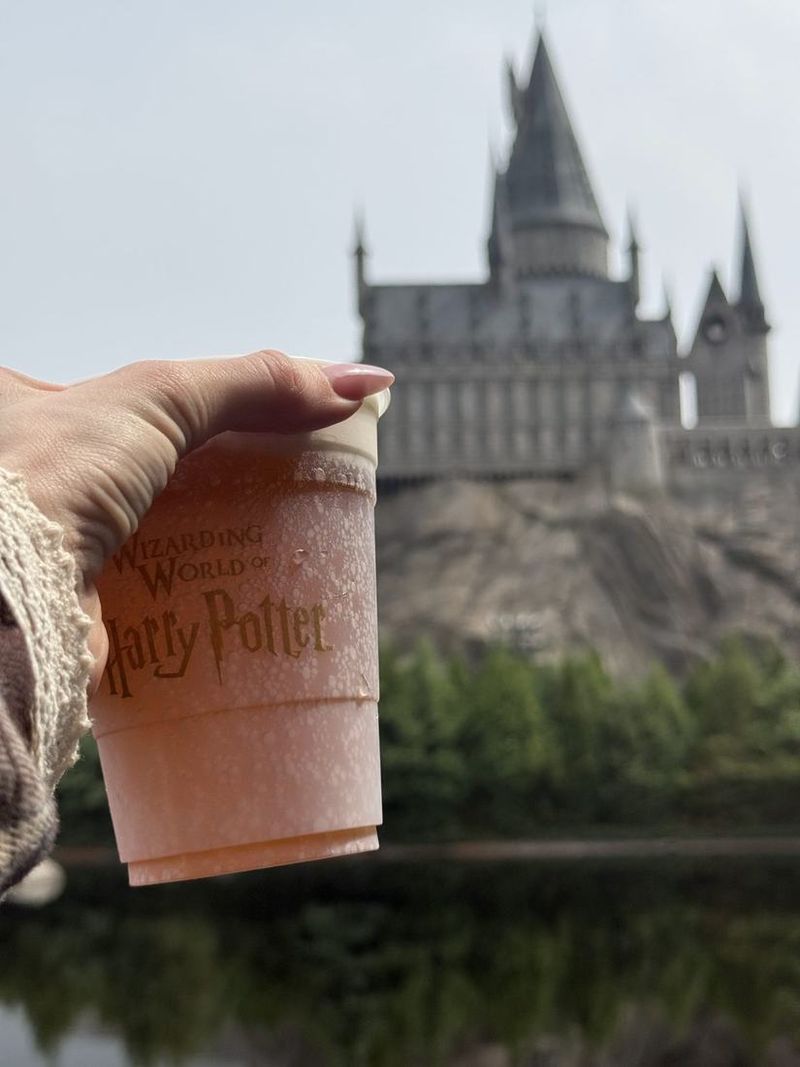
The park opened in 2021 and immediately became the largest Universal outside the USA. Tickets are best bought in advance on Trip.com — there is often an “Early bird” discount for booking early.
Inside there are several themed worlds, each with its own atmosphere and rides.
The park, in order
The route around the park and where to eat
Where to start (with Early Entry)
- 01
Harry Potter and the Forbidden Journey
- 02
Jurassic Flyer
- 03
Jurassic World Adventure
- 04
Decepticoaster
After these four rides the queues start growing fast — from there on you can go by mood and by the clock.
Where to eat
Mr. Ping’s Noodles in the Kung Fu Panda zone — one of the tastiest dishes in the whole park, go in without a second thought.
The Forbidden City
Imperial Beijing
Day three is given over to the great symbols of imperial China: the Forbidden City, Tiananmen Square and the Temple of Heaven — and in the evening, a traditional dinner and a walk through the old town.
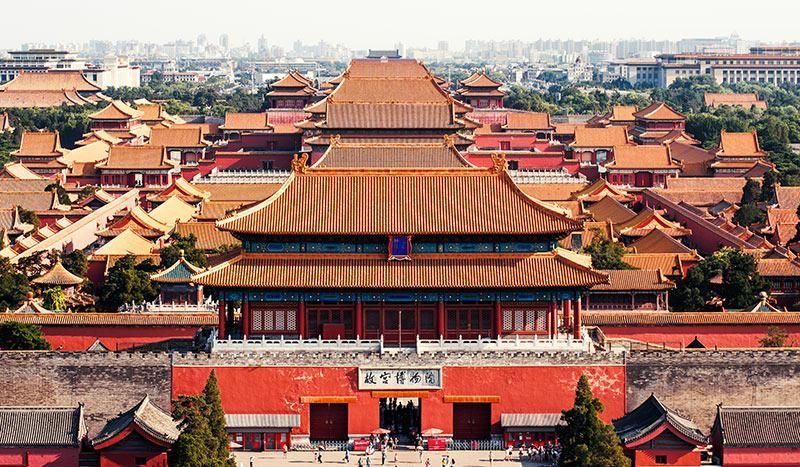
The Forbidden City
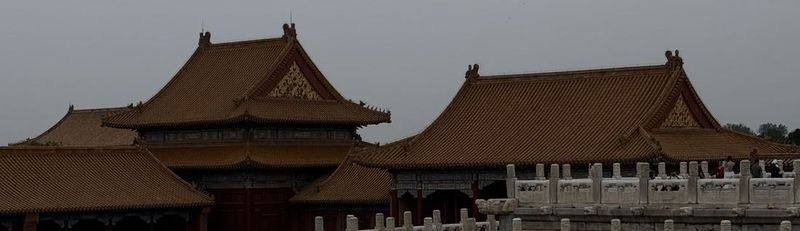
Home to 24 emperors of the Ming and Qing dynasties for almost 500 years — the largest palace complex in the world, more than 900 buildings, raised in the 15th century.
Tickets are best bought in advance on Trip.com — entry is split into two sessions, morning and afternoon. We took the afternoon one: noticeably fewer people.
Two landmarks
Tiananmen and the Temple of Heaven
Tiananmen Square
China’s most famous square — the setting for the country’s great state occasions. The scale is impressive even in photographs; in person it is stronger still.
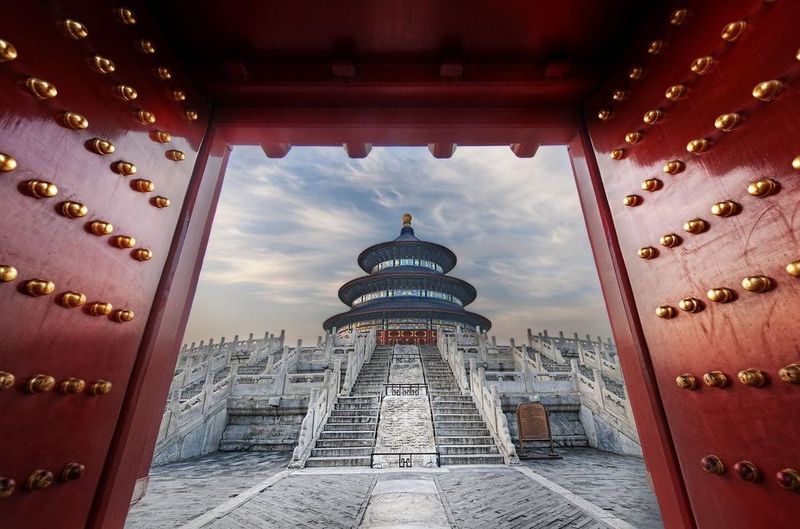
The Temple of Heaven
One of the most beautiful buildings in Beijing. This is where the emperors prayed for a good harvest — and the complex’s centrepiece, the round pavilion with the blue roof, has become one of the recognisable architectural symbols of the whole of China.
Jingshan · Quanjude
The view from above and Peking duck
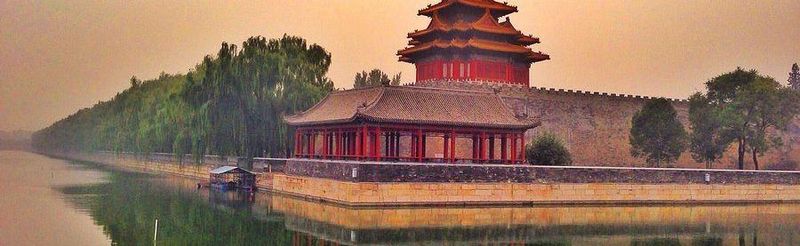
Jingshan Park
An alternative to going into the palace — or an addition to it — is to climb the hill in Jingshan Park. From up there you get the best view of the Forbidden City as a whole, and plenty of people find that view even lovelier than the walk through the palace itself.
Dinner: Quanjude
One of the best-known addresses for Peking duck — a legendary restaurant that has been going since the 19th century. It is a chain, so you can pick whichever branch is nearest. Some of them have queues, but we got a table with no wait at all.
Shichahai
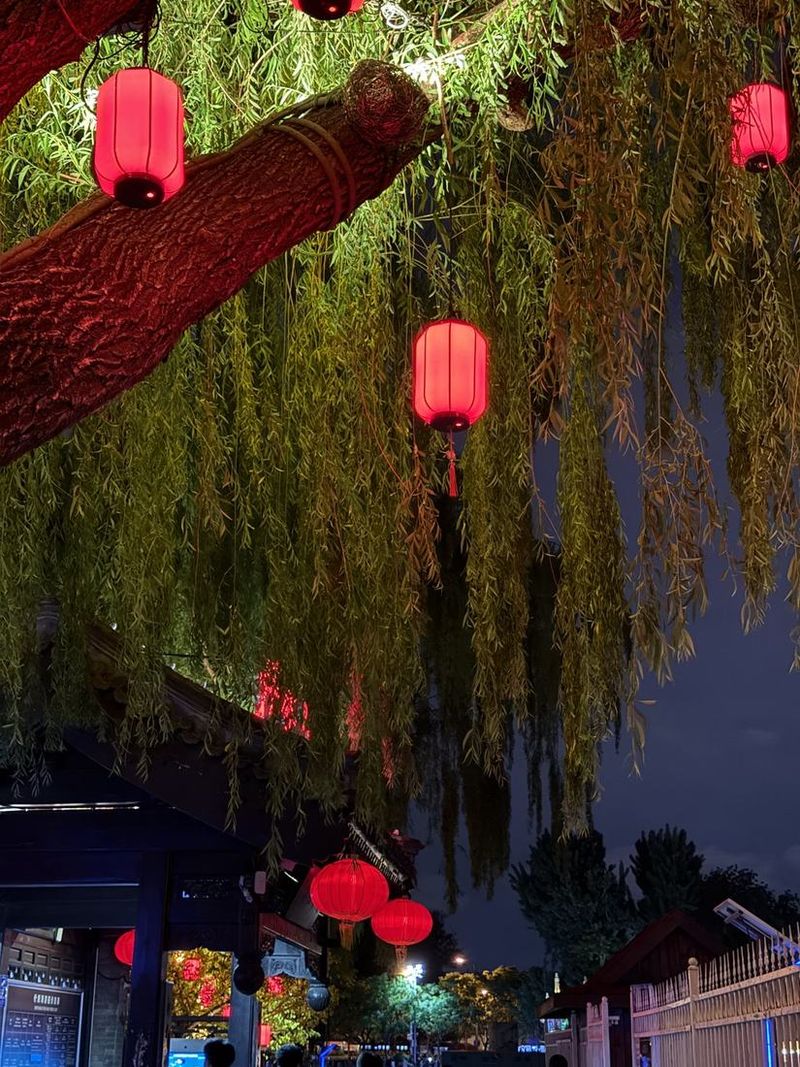
An evening in Shichahai
The district of three historic lakes is the place for an unhurried immersion in the atmosphere of old Beijing. Red lanterns, pleasure boats, snug cafés and old architecture along the water set a completely different tempo after a full-on day.
It is probably the best place on the whole route simply to walk slowly with no particular destination — and to feel the city rather than only look at it.
Chapter 04
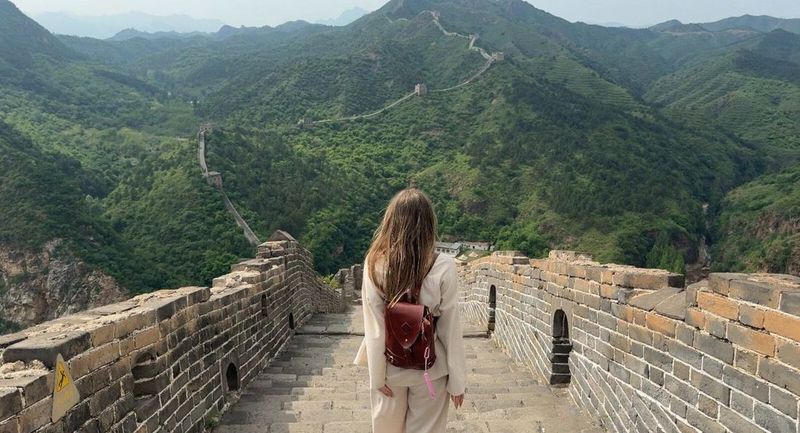
Simatai and the Great Wall
Section 03
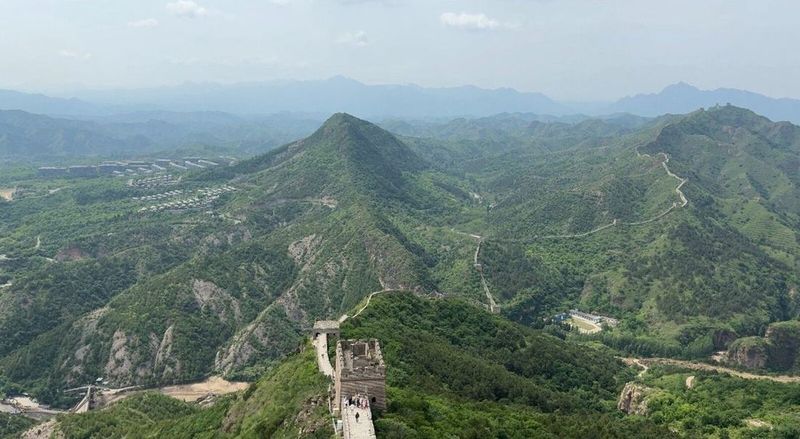
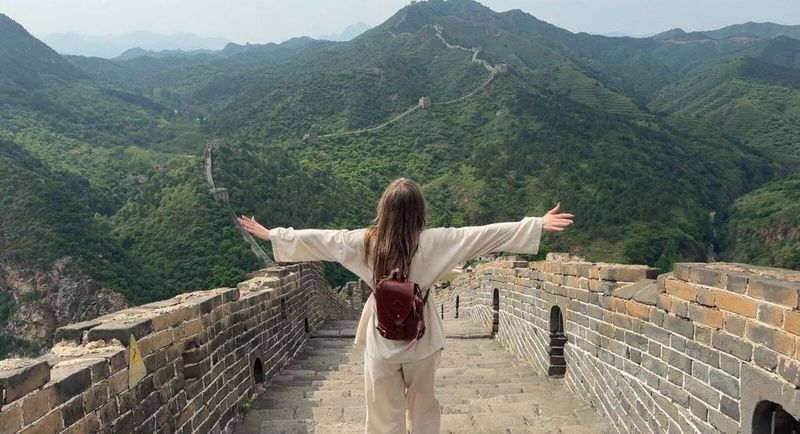
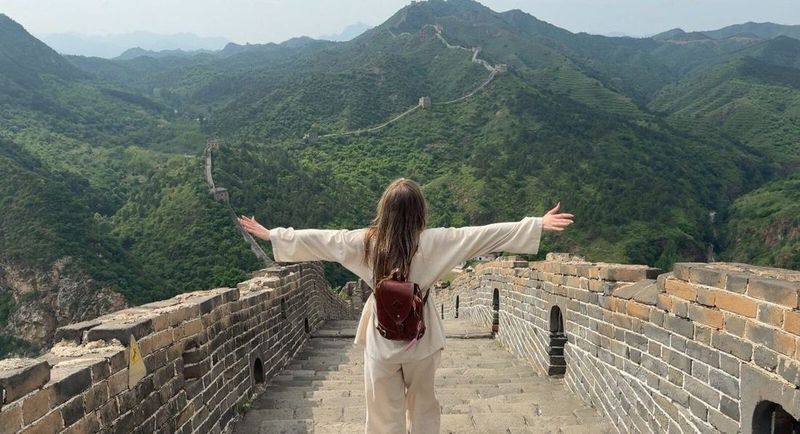
One of the most atmospheric days on the route: the Simatai stretch of the Great Wall of China, the water town of Gubei at its foot, and the high-speed train on to Shanghai.
Day 4
Why Simatai, not Badaling
Badaling is the best-known and most heavily promoted stretch of the Great Wall, closer to Beijing and usually packed with tourists. Simatai is the section we picked for this route, and here is why.
- Noticeably fewer tourists — even in high season
- More scenic views of the mountains around the wall
- Stretches that have survived in a more original, unrestored state
- The feeling of real history rather than a tourist postcard
Day 4
How to get to Simatai
Taxi or private driver
The easiest option is Didi or a private driver: 1.5–2 hours on the road, ¥200 to ¥400 one way.
---
The bus, for ¥48
The budget option is the scheduled bus from Dongzhimen metro station.
Day 4
Gubei Water Town
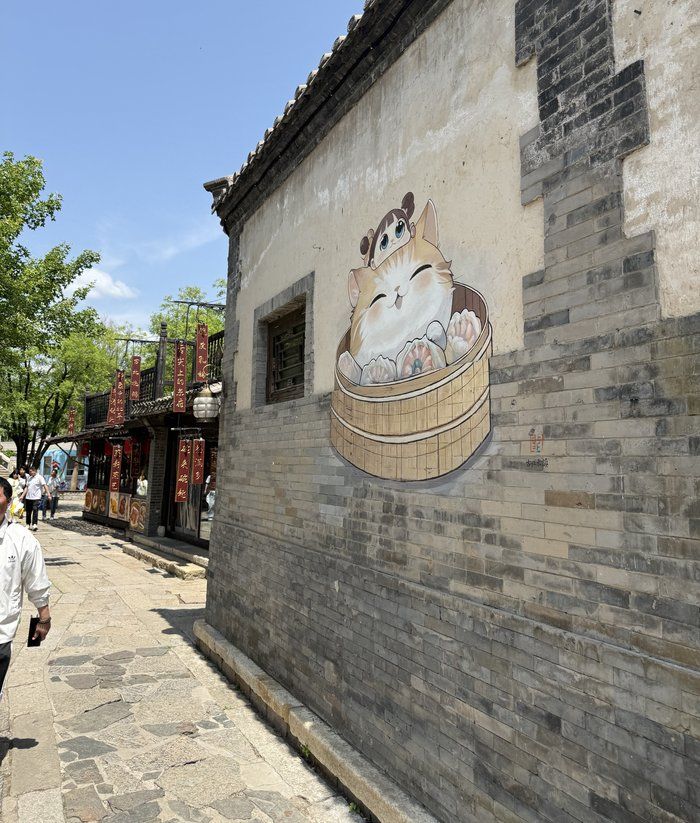
A real discovery on this route. Plenty of people come here just for the Wall, with no idea that at its foot sits a beautiful water town — something close to the old water towns of Jiangsu province.
Stone bridges, canals, red lanterns, traditional architecture and mountains behind it all — and it turns especially lovely after sunset, when the lights come on.

What you absolutely must do
- 01
Climb up onto the Wall
- 02
Catch the sunset
- 03
Try the local noodles
- 04
Have a coffee looking out over the canal
- 05
Ride the zipline down
- 06
Wait for the town’s evening lights
Transfer
From Beijing to Shanghai
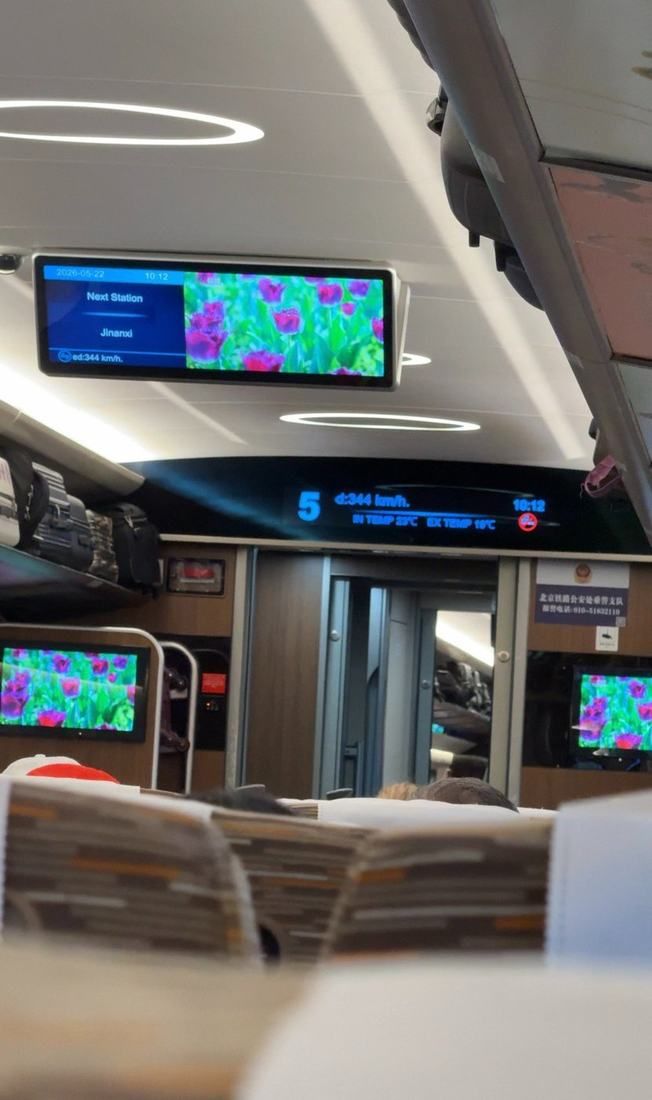
The best way to travel between the two cities is the high-speed train — clean, comfortable carriages and speeds of over 300 km/h. The ride takes about 4.5 hours: enough to rest, get some work done or sleep off a few full-on days in Beijing.
- Beijing
- ~4.5 hours · 300+ km/h
- Shanghai
Chapter 05
Shanghai
Section 04
“Beijing is the history of China; Shanghai is its future.”
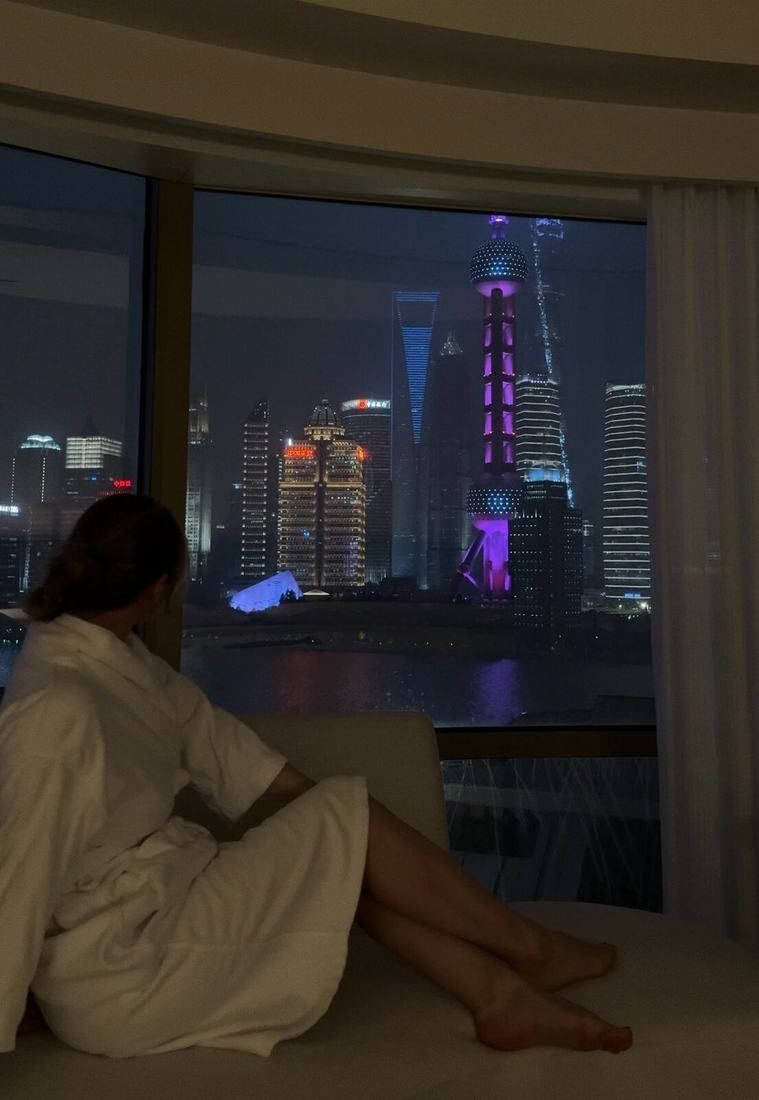
In a matter of decades Shanghai has become one of the biggest financial centres in the world. This is where you’ll find the skyscrapers of Pudong, the Bund waterfront, classical gardens, a hotel with giraffes and the shops we love for shopping.
Shanghai — the city of the future
If Beijing shows you the grandeur of an ancient empire, Shanghai is all about an improbable future. We’ll spend four days here: from the Bund waterfront and the classical gardens to the giraffe hotel and a free day for wandering and shopping.
Where to stay · 4 nights
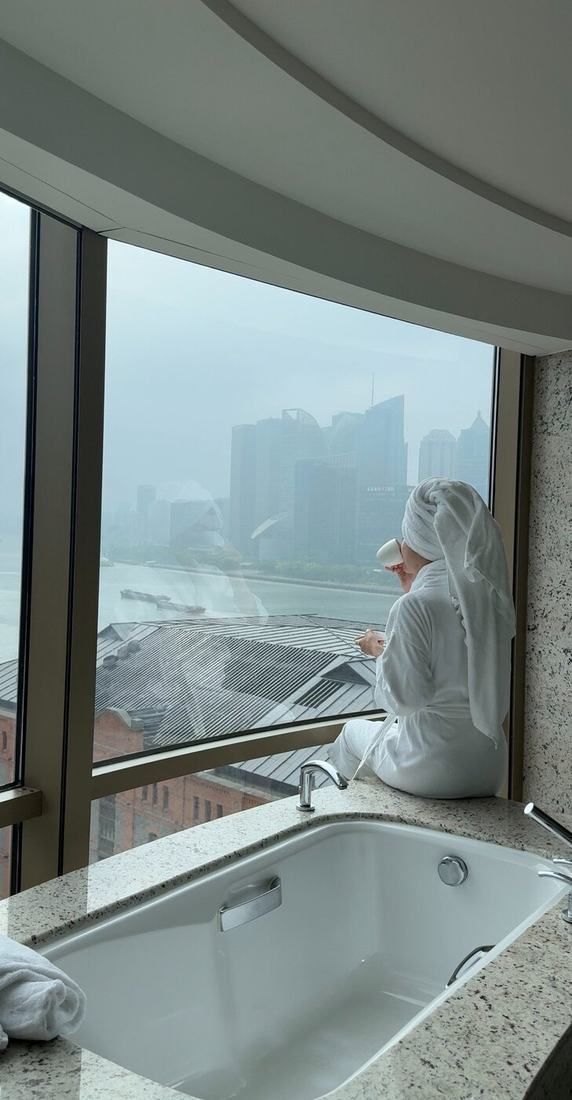
Atour Light The Bund
Excellent value for money: new rooms, good breakfasts, a free laundry with tumble dryers and a handy location — you can cover most of the city on foot.

Day 5
The Bund and the ¥2 ferry
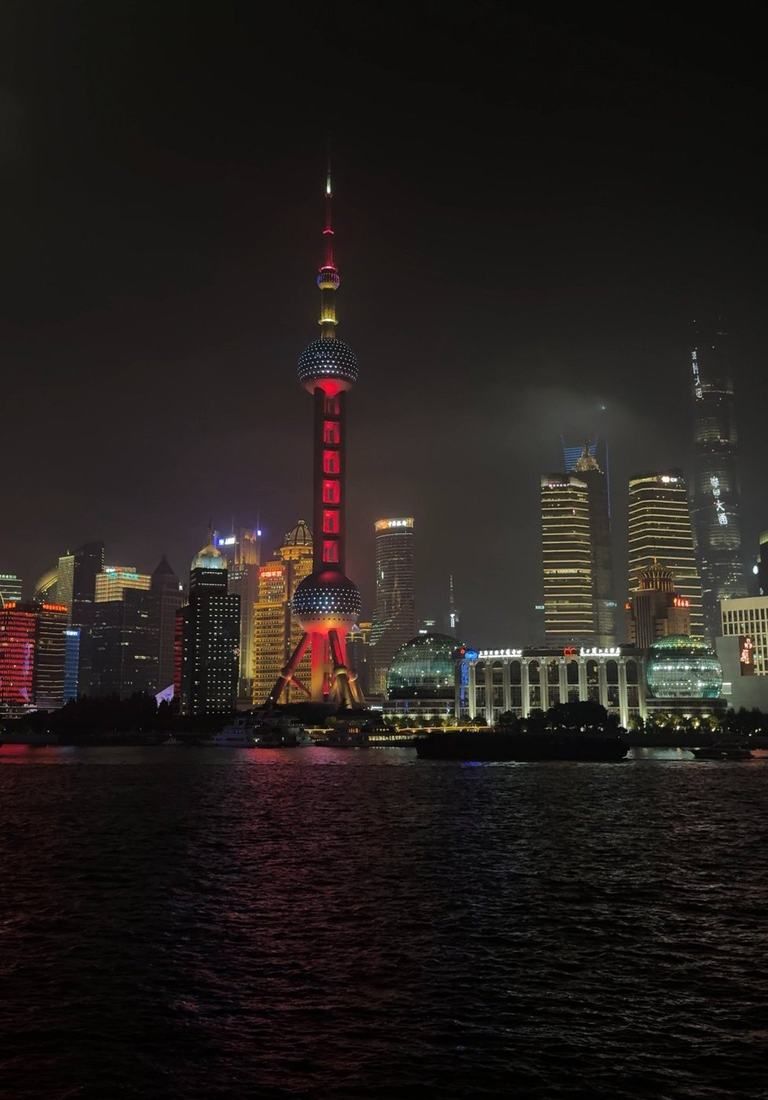
The first stop for getting to know Shanghai is the Bund waterfront, where that famous view of the futuristic Pudong district and its skyscrapers opens up in front of you.
One of the city’s best hacks is the ferry across the Huangpu River for just ¥2. For a symbolic price you get astonishing views of both banks — this one is absolutely worth doing.

A stop for coffee
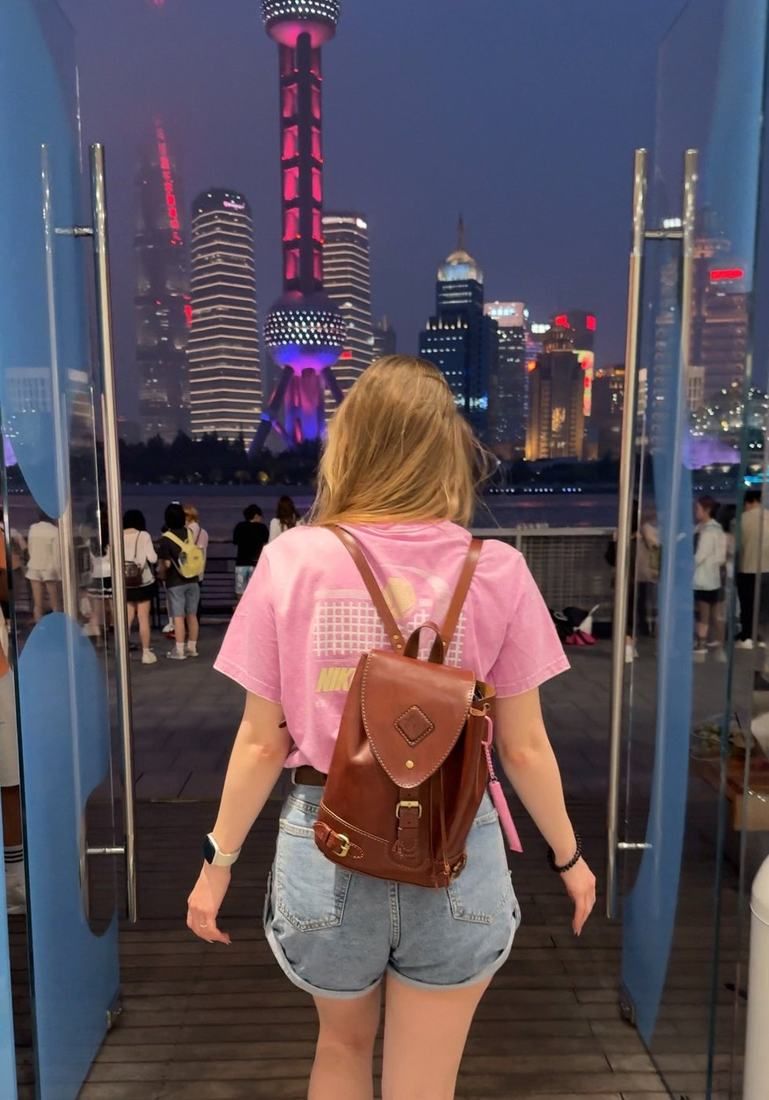
Manor Coffee
An atmospheric coffee shop in the Hongkou district — worth the trip not only for the coffee but for the photographs. The way it opens out from the café onto the waterfront is considered one of the most popular photo spots in the city.
The old garden
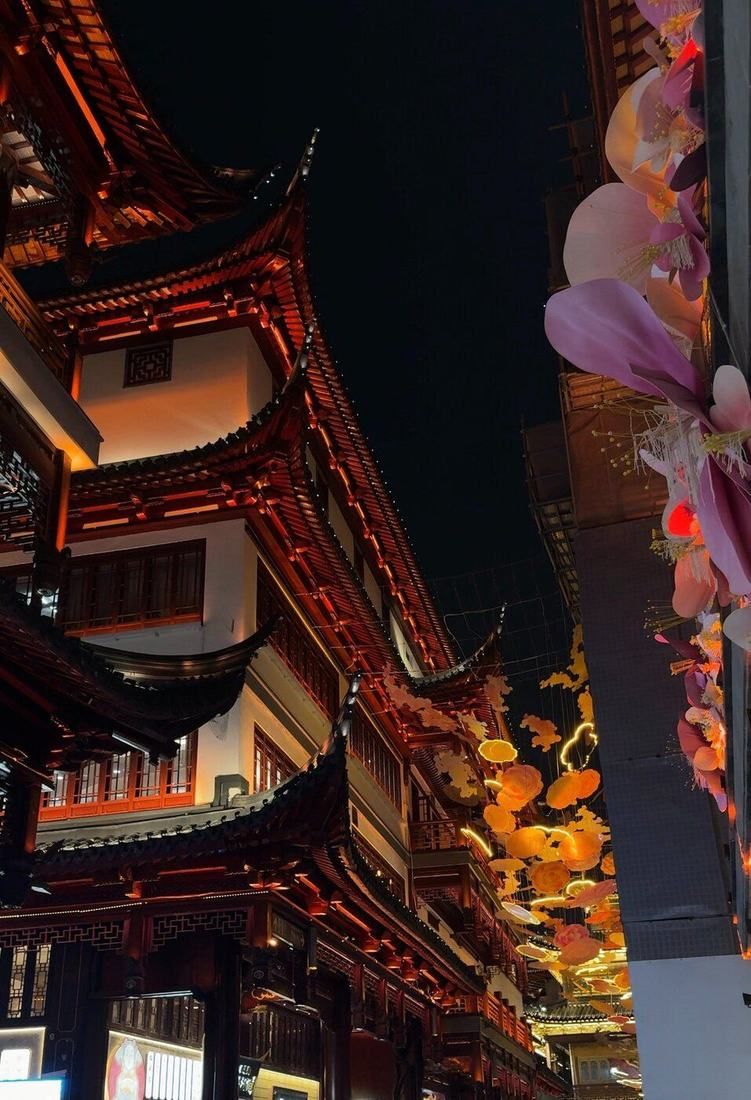
Yu Garden
One of the most beautiful classical gardens in China — it is more than 450 years old. A genuine corner of ancient China right in the middle of a modern megacity: ponds, little bridges, rocks and pavilions in the traditional style.

The “Chinese princess” photo shoot
Right nearby you can book a photo shoot as a Chinese princess — full make-up, hair and a traditional costume. It costs around $55.
The skyline
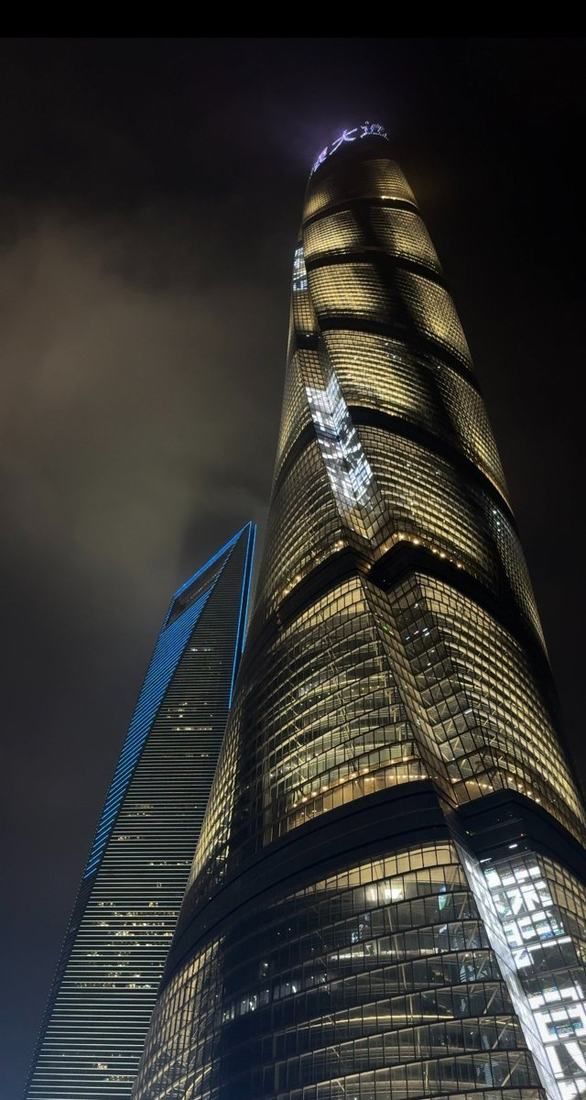
Pudong and Shanghai Tower
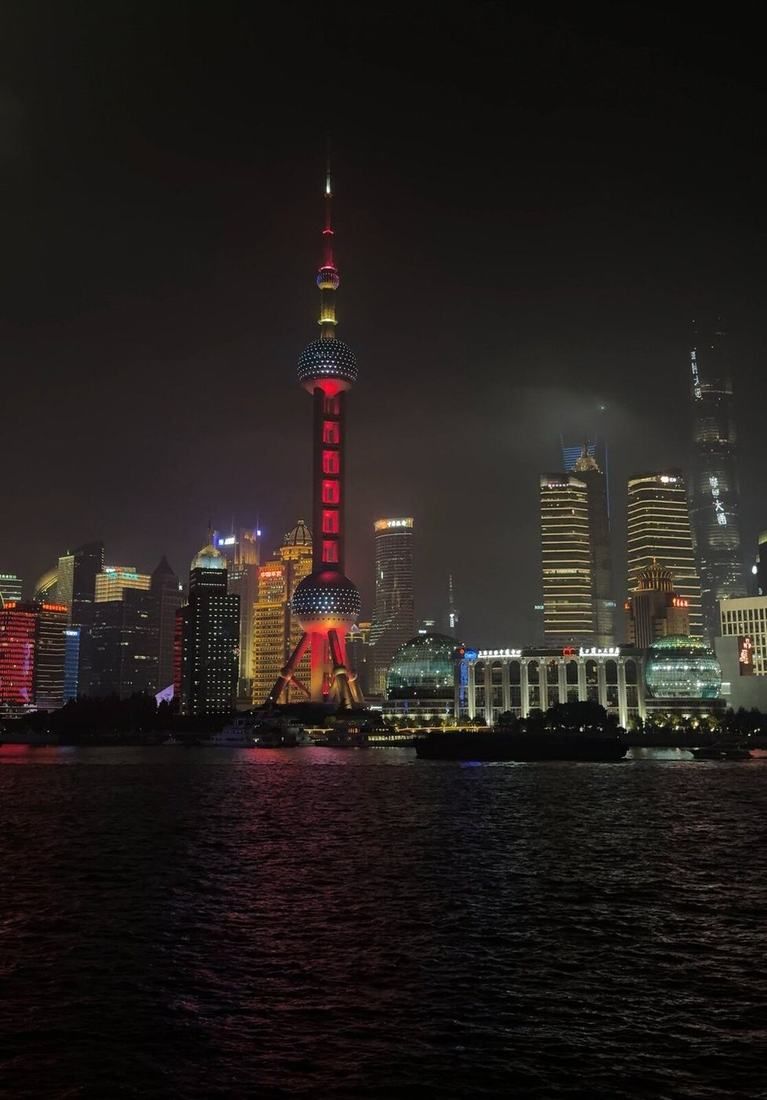
Thirty years ago there were warehouses and fields where Pudong now stands — today it is the symbol of China’s economic miracle: a forest of skyscrapers with Shanghai Tower standing out among them, one of the tallest buildings in the world.
The shopping street
Nanjing Road
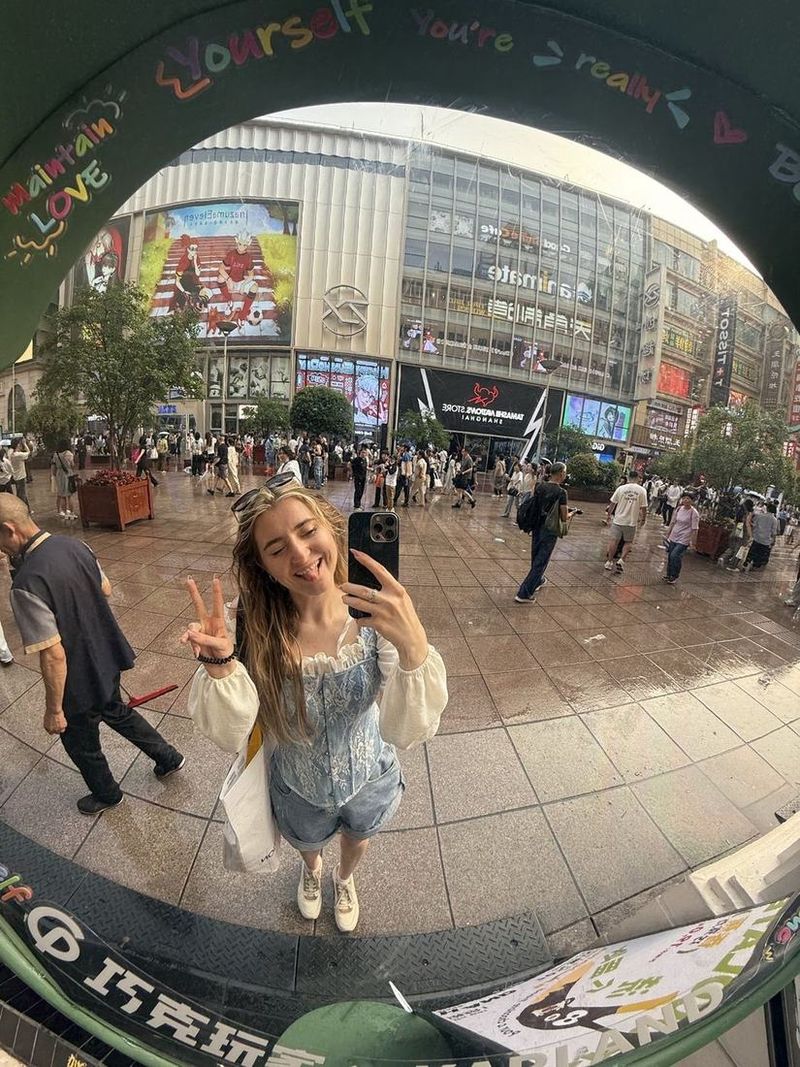
Shanghai’s main shopping street — this is where the flagship stores of the world’s biggest brands are concentrated. A good place to round off a busy day with an unhurried walk past the window displays and the architecture.
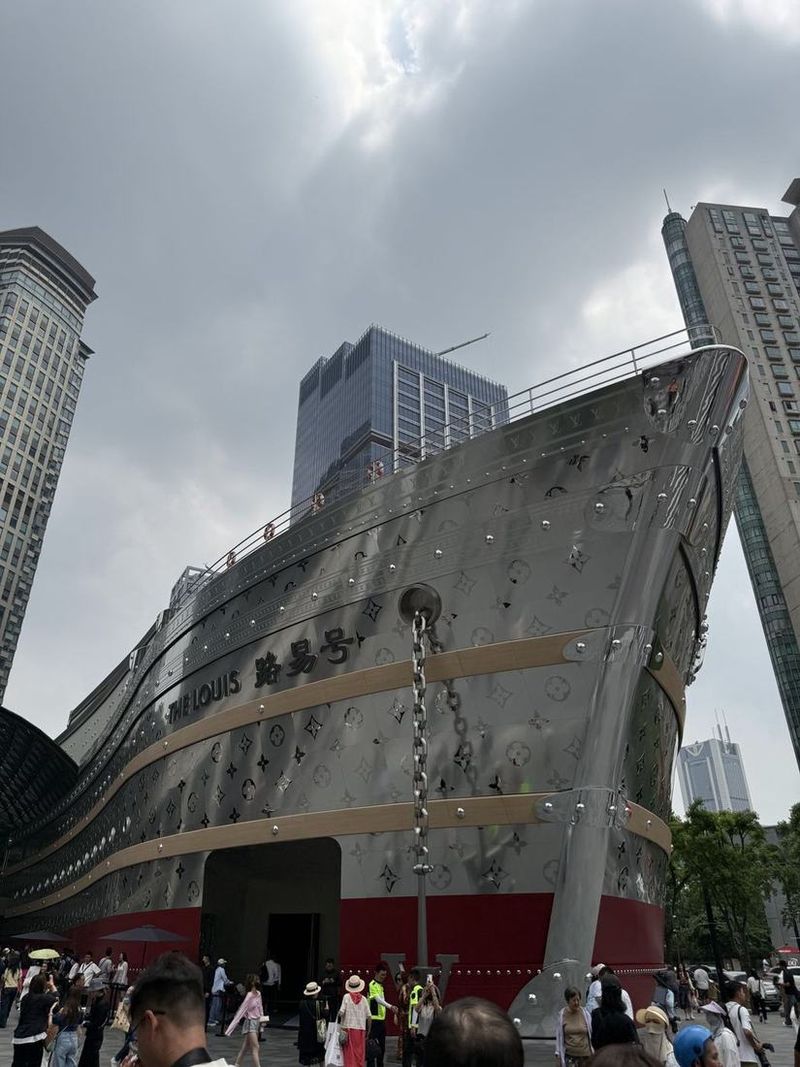
LV The Louis
The famous Louis Vuitton flagship shaped like an ocean liner — one of the most unusual in the world. Entry is free, but it has to be booked through the “My LV” mini-programme in WeChat.
Where we slept
A night with the giraffes
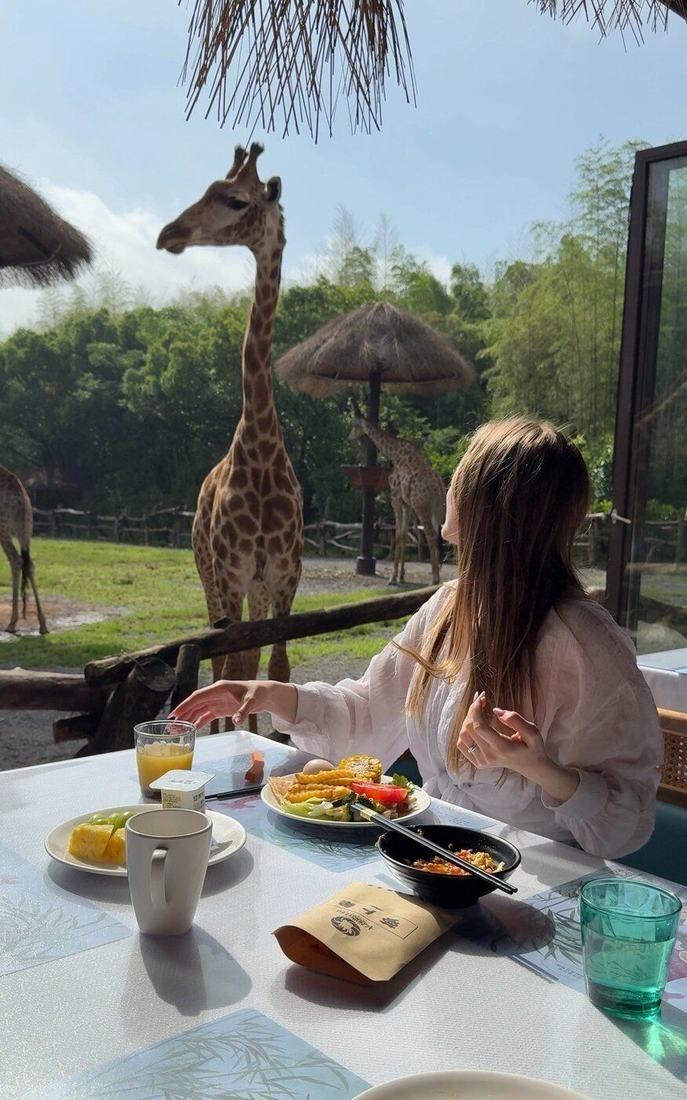
Shanghai Giraffe Manor Hotel is one of the most unusual hotels in China, right next to Shanghai Wild Animal Park. Here the hotel itself becomes the point of the day, not just somewhere to sleep.
It’s better to arrive during the day, check in without rushing and spend the evening and the night here. We especially recommend the rooms with a bathtub on the roof — the evening atmosphere in those rooms is genuinely something else.

A day off
A free day in Shanghai
After the night with the giraffes — back to Shanghai and a day with no rigid plan: unhurried walks, shopping, favourite spots from the days before. A good moment to slow down before the last stretch of the route.
Shanghai Astronomy Museum
If space and science interest you, it’s worth setting aside time for the largest astronomy museum in the world. Buy tickets in advance: slots go quickly, especially the popular sessions.

Chapter 06
Wangxian Valley
Section 05
“The valley of the immortals” — a place people still refuse to believe is real when they see the photographs.
One of China’s most viral spots of the past few years. Plenty of people assume the photos are renders or AI, but it is a completely real complex, built among the mountain cliffs.
Getting there
The valley of the immortals
The complex is built right among the mountain cliffs and looks like a fairytale city floating above a chasm. The evening lighting is an event in its own right: when thousands of lamps come on, the place starts to look like a world out of Chinese fantasy.
- Shanghai
- Train to Shangrao · ~3–4 h
- Transfer · ~1–1.5 h
- Wangxian Valley
Where to stay · Night 9
A hotel right in the valley
The rooms are inside the complex itself — which means you don’t have to rush, and you can catch the evening lights without a long journey back.

What to eat
What to eat and the evening show
Local food
There is a surprising number of Uyghur places in the valley — the meat dishes, the flatbreads and the traditional snacks are absolutely worth trying. It is a completely different flavour from Beijing and Shanghai.
The evening light show
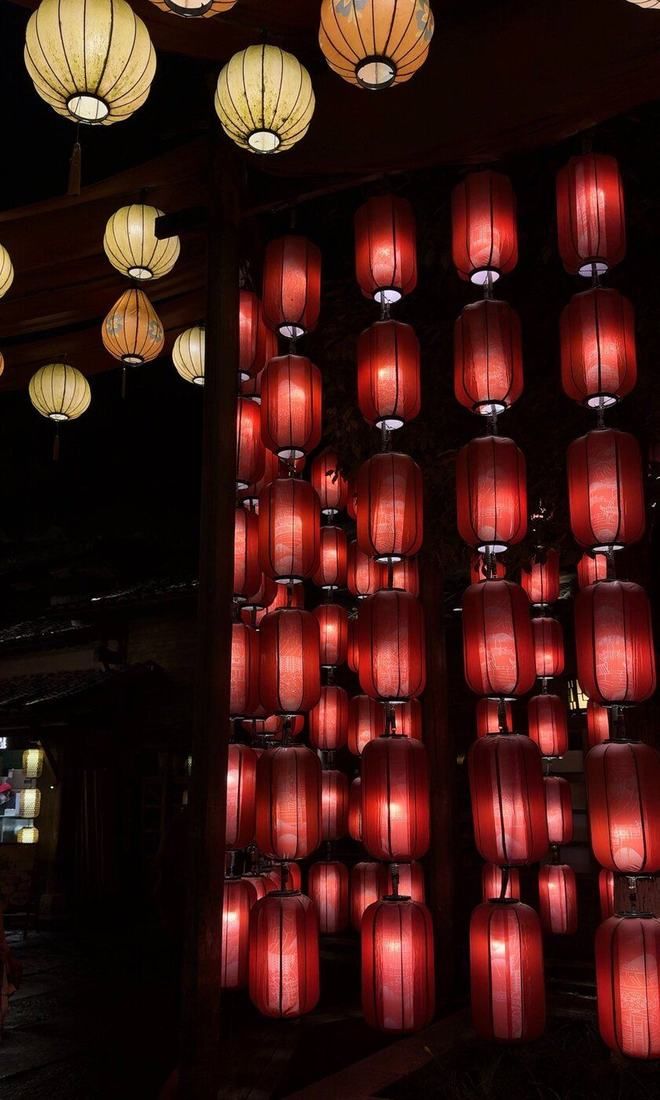
Evening is when Wangxian Valley opens up completely: thousands of lights turn the valley into a fairytale city that is hard to tell apart from a film set.
Farewell
Farewell to Shanghai
We head back to Shanghai and check into a hotel with a beautiful view — for the last night that feels especially good. Solid options: Hyatt, Hilton, W Hotel or Renaissance.
Keep the final day as light as you can: walks through your favourite places, a little souvenir shopping, no rigid plan. Ten days are behind you — and in that time you have seen several completely different “Chinas”.
What to bring back
What to bring back from Shanghai
A few places worth building into a shopping day — unusual souvenirs and gifts that are hard to find outside China.
- 01Nike
Design your own T-shirt or customise a pair of sneakers.
- 02Pop Mart
Collectors’ heaven — the flagship stores carry a far bigger choice than you will find outside China.
- 03Lego Store
Build your own minifigure — a great souvenir you will not find back home.
- 04M&M Store
Print your own picture onto the sweets — an unusual, very personal gift.
- 05Bailian Outlets Plaza
One of the largest outlet malls in the city — up to 70% off across a lot of brands.
The biggest tip
Don’t try to see all of China in one trip — far better to live through a few vivid, completely different stories.
- Beijing shows you the grandeur of the ancient empire.
- Simatai reminds you of centuries of history.
- Shanghai shows you an unbelievable future.
- Wangxian Valley is proof that even in the 21st century there are places straight out of a fairy tale.
What it cost
My real budget
Costs for two people, on the basis that accommodation is split between the travellers.
The figures are approximate: converted at roughly ₽90 to $1 at the time of the trip, so they will shift with the season and the exchange rate. Accommodation costs are split between two travellers.
Route map
Route map
A schematic map of the whole trip — from imperial Beijing to the fairytale Wangxian Valley and back to Shanghai.
1. Beijing: Days 1–3 · capital of the empire 2. Simatai: Day 4 · the Great Wall 3. Shanghai: Days 5–8, 10 · city of the future 4. Wangxian Valley: Day 9 · the valley of the immortals Day 10 — back to Shanghai
The map is schematic — no scale, no exact geography. What matters here is the order of the stops, not the distances between them.
My notes
My notes
Room for addresses, impressions and ideas that will turn up during the trip itself.
Thank you for travelling with us
This guide is the author’s own route, walked from beginning to end. May your own trip through China turn out just as vivid, and stay with you just as long.
Route by @wetravelalways
China on our own · 2026
We Travel Always
Travel it with us
More routes like this one, from trips we actually took.